
Eating Dates During Pregnancy: A Complete Trimester-by-Trimester Guide have long been praised in traditional medicine—and now modern science backs their powerful benefits, especially for women going through the transformative journey of pregnancy. From preparing your body for conception to supporting a smoother labor and aiding recovery after childbirth, dates are a natural, nutrient-rich ally every step of the way. Packed with folate, iron, fiber, potassium, magnesium, and natural sugars, dates offer a safe and natural way to enhance fertility, support a healthy pregnancy, and restore energy post-delivery. In this guide, we’ll walk through how dates support each stage—before, during, and after pregnancy—and share practical tips to add them into your daily diet.
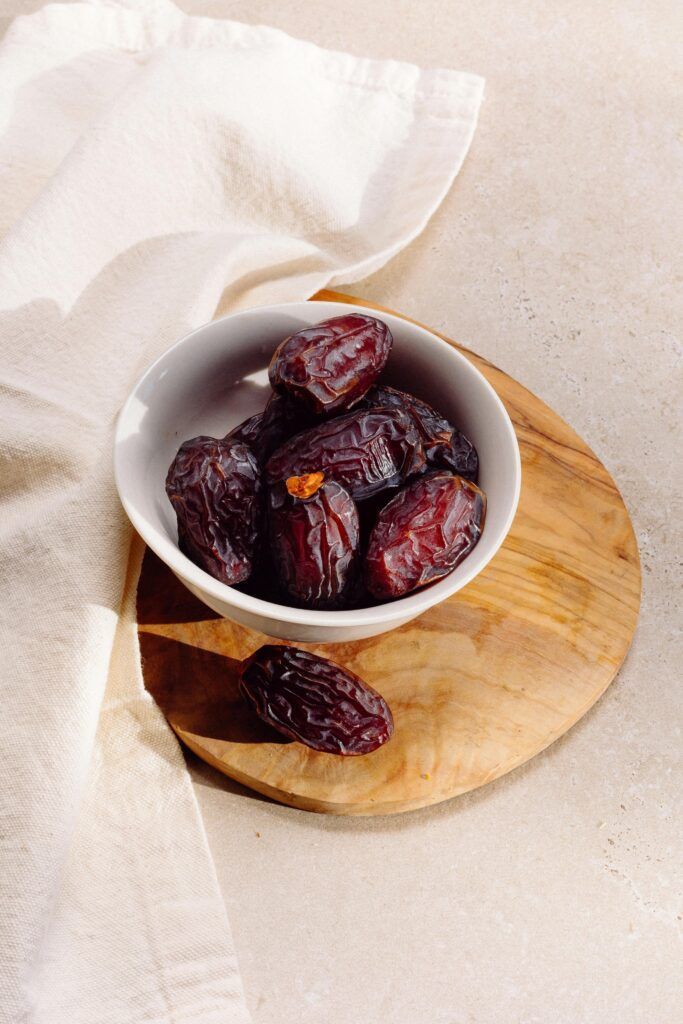
Before Pregnancy: Preparing the Body for Fertility
Although there’s no direct scientific proof that dates improve fertility, their nutritional profile creates a healthful foundation for conception. They nourish the body with key vitamins and minerals necessary for reproductive health and hormonal balance.
Nutritional Benefits for Preconception Health:
- Folate (Vitamin B9): Vital for preventing neural tube defects that form in early pregnancy.
- Iron: Helps prevent anemia, which can affect ovulation and the quality of a pregnancy.
- Fiber: Supports healthy digestion and hormone regulation.
- Natural sugars: Offer sustained energy, which supports overall vitality during the conception period.
Recommendation: Eating 3 to 4 dates per day in the months leading up to conception can help prepare the body and build nutrient reserves.
During Pregnancy: How Dates Help in Every Trimester
Pregnancy is divided into three trimesters, each bringing unique physical changes and nutritional needs. Dates can play an important role throughout, helping manage common symptoms and contributing to the baby’s development.
First Trimester: Combating Fatigue and Constipation
During the first few months, most women experience exhaustion and digestive discomfort. Dates help naturally:
- Provide a quick and healthy energy source due to their natural sugar content.
- Ease constipation, a common pregnancy issue, thanks to their high fiber levels.
- May reduce nausea with the help of vitamin B6.
Second Trimester: Supporting Growth and Circulation
As your baby develops rapidly, the demand for nutrients increases. Dates contribute by:
- Delivering calcium and magnesium to help form strong bones and teeth in the growing baby.
- Offering iron to maintain healthy blood levels and prevent anemia.
- Providing potassium, which supports blood pressure regulation and fluid balance.
Third Trimester: Preparing the Body for Labor
This is where dates really shine. Multiple studies suggest that consuming dates in the last few weeks of pregnancy can help the body get ready for childbirth. Specifically, eating around 6 dates per day from week 36 onward may:
- Naturally soften the cervix, preparing it for labor (known as cervical ripening).
- Shorten the first stage of labor, potentially making delivery faster and easier.
- Increase the chances of going into labor without medical induction.
- Provide quick energy for labor and delivery, similar to sports fuel—but all natural.
Clinical Insight: A study published in the Journal of Obstetrics and Gynaecology (2017) found that women who ate dates regularly in late pregnancy were significantly less likely to need interventions like induction or cesarean delivery.
After Pregnancy: Supporting Recovery and Breastfeeding
The postpartum period—often called the “fourth trimester”—is just as important as pregnancy itself. Dates offer valuable nutritional support to help mothers heal and restore energy.
How Dates Help After Delivery:
- May reduce postpartum bleeding by supporting uterine contractions, much like the hormone oxytocin.
- Replenish energy after delivery, especially important during sleepless nights with a newborn.
- Traditionally believed to support breastmilk production and improve lactation.
How to Include Dates in Your Daily Routine
If plain dates aren’t your thing, there are plenty of creative and delicious ways to enjoy them while still getting the benefits:
- Stuff them with nut butter or soft cheese for a satisfying snack.
- Blend them into smoothies for a natural sweetener and energy boost.
- Make no-bake energy bites by combining dates with oats, cocoa, and seeds.
- Add chopped dates to oatmeal or yogurt for a sweet, chewy topping.
- Replace sugar in baking with date paste—it adds moisture and natural sweetness.
- Use in savory dishes, such as pairing with roasted vegetables or meat for a touch of sweetness.
Precautions and Considerations
Although dates are generally safe and healthy, there are a few things to keep in mind:
- Moderation is key: Dates are high in natural sugars, so avoid overconsumption—especially if you’re managing gestational diabetes or other metabolic issues.
- Consult your doctor: Always check with your healthcare provider if you have concerns, particularly regarding blood sugar or digestive issues.
Should You Eat Dates During Pregnancy?
Absolutely. When eaten in moderation, dates are a nutrient-dense, natural food that can offer benefits throughout every stage of your pregnancy journey.
Summary of Benefits:
- May help balance hormones and boost fertility before pregnancy.
- Help reduce common pregnancy discomforts like fatigue and constipation.
- Support your baby’s development with essential minerals.
- Potentially reduce the length and pain of labor.
- Help support energy, healing, and breastfeeding post-delivery.
Recommended Intake:
- Before pregnancy: 3–4 dates per day.
- During the third trimester : 7,8 dates per day for labor related benefits.
Including dates as a small part of your daily diet is a simple and natural way to nourish your health while supporting your baby’s growth.
Pingback: 10 Incredible Banana Benefits for Pregnancy, Kids & Student.
Bet917app? Downloaded it, gave it a spin. Pretty smooth app, good selection of games. I had a few winning streaks. See if you can get lucky: bet917app
Hey, just checked out zh88222game. Seems like a decent spot to try my luck. Fingers crossed for some wins! Check it out, maybe you’ll get lucky too! zh88222game