
Introduction: Why Adult Acne Deserves More Attention
For many, acne is a memory of adolescence—a skin condition thought to disappear after high school. However, for millions of adults, breakouts never fully subside, or they recur later in life with increased intensity. Imagine preparing for a business presentation, social gathering, or wedding, only to discover a painful cyst on your chin. The frustration is real, and it can significantly impact confidence, mental health, and overall quality of life.
Research shows that nearly half of women in their 20s and around one-quarter of women in their 40s experience adult acne. Men also struggle with it, although women are more affected due to hormonal fluctuations. The truth is, acne is not just “for teenagers”—and the solutions require a more advanced approach than what worked in high school.
This guide provides a complete roadmap: from the science of adult acne to dermatologist treatments, herbal remedies, and lifestyle adjustments. By the end, you’ll have the knowledge and strategies needed to take control of your skin and restore your confidence.
Why Adult Acne Happens?
How It Differs from Teenage
Teenage acne is usually triggered by puberty, when hormone levels surge and oil glands become overactive. It often appears on the forehead, nose, and cheeks. Adult acne, however, is different. It tends to form around the lower face the chin, jawline, and neck. These breakouts are usually deeper, more inflamed, and longer-lasting than teenage pimples.
Some people experience persistent acne, which continues from adolescence into adulthood. Others develop late-onset acne, experiencing their first serious breakouts in their 20s, 30s, or even 40s. Many also suffer from flares, where periods of clear skin are suddenly interrupted by painful breakouts.
The Biggest Triggers
- Hormonal fluctuations – The menstrual cycle, pregnancy, perimenopause, menopause, and conditions like PCOS (Polycystic Ovary Syndrome) all influence. Hormones like testosterone and DHEA-S increase oil production, while estrogen fluctuations can disrupt skin balance.
- Stress – When stress rises, the body releases cortisol, which triggers oil glands and inflammation, worsening acne.
- Diet – Foods high in sugar and refined carbs spike insulin, which may increase androgen activity. Dairy products and whey protein also worsen acne in some individuals.
- Skincare and cosmetics – Using heavy creams, oily products, or comedogenic ingredients can clog pores. Even certain hair products can cause breakouts along the hairline.
- Environmental factors – Humid weather increases sweating and oil production. Dry air dehydrates skin, leading to compensatory oil overproduction. Pollution also contributes to skin inflammation.
- Medications – Corticosteroids, lithium, and certain anti-seizure drugs can worsen acne.
Dermatologist-Approved Treatments
Skincare: The First Step to Clear Skin
A dermatologist will always recommend building a solid skincare routine before moving to medications. The essentials include:
- Gentle cleansing: Washing your face twice daily with a pH-balanced cleanser prevents clogged pores without stripping away natural oils. Harsh cleansers may feel effective at first, but actually damage the skin barrier, leading to more breakouts.
- Targeted topical treatments:
- Benzoyl Peroxide kills acne-causing bacteria and helps reduce inflammation.
- Salicylic Acid penetrates pores to dissolve oil and dead skin cells, making it excellent for blackheads and whiteheads.
- Retinoids (Tretinoin, Adapalene, Tazarotene) regulate cell turnover, prevent clogged pores, and improve skin texture. They also have anti-aging benefits.
- Azelaic Acid is effective for redness, pigmentation, and sensitive skin prone to irritation.
- Moisturizing: Contrary to popular belief, oily skin still needs hydration. Using a lightweight, oil-free moisturizer strengthens the skin barrier and reduces irritation caused by acne treatments.
- Sun protection: Sunscreen is crucial, especially for preventing dark marks left behind after acne heals. A broad-spectrum SPF 30+ protects against pigmentation and skin damage.
Prescription Medications for Stubborn Acne
If over-the-counter products aren’t enough, dermatologists may prescribe:
- Oral antibiotics (like doxycycline or minocycline) to reduce bacteria and inflammation. These are used for short periods to avoid resistance.
- Hormonal treatments such as birth control pills or spironolactone. These regulate hormones, reducing oil production and preventing breakouts.
- Isotretinoin (Accutane) for severe or scarring acne. It shrinks oil glands permanently but requires careful monitoring due to potential side effects.
In-Clinic Procedures
For faster results or scarring concerns, dermatologists offer:
- Chemical peels to exfoliate and fade pigmentation.
- Cortisone injections to shrink painful cysts within hours.
- Laser and light therapies to kill bacteria, reduce redness, and boost healing.
- Microneedling and fractional lasers to repair acne scars and improve texture.
Herbal & Natural Remedies
While medical treatments are effective, herbal remedies can offer gentle, natural support for acne management. They have been used for centuries and can be integrated safely into modern skincare routines.
1. Tea Tree Oil
Tea tree oil is a natural antibacterial and anti-inflammatory agent. Studies show it reduces acne-causing bacteria nearly as effectively as benzoyl peroxide. To use, dilute a few drops in a carrier oil like jojoba or coconut oil and apply as a spot treatment.
2. Neem (Azadirachta indica)
Neem has antifungal, antibacterial, and anti-inflammatory benefits. Boiling neem leaves in water creates a soothing rinse, while diluted neem oil can be applied to acne-prone areas. It is especially effective for reducing redness and preventing future breakouts.
3. Aloe Vera
Fresh aloe vera gel soothes skin, reduces redness, and supports healing. It’s especially helpful for those using strong acne treatments like retinoids, which may cause dryness. Applying aloe daily restores balance and comfort to irritated skin.
4. Green Tea Extract
Rich in antioxidants, green tea lowers inflammation and oil production. Drinking green tea daily helps from within, while topical applications (serums or cooled green tea compresses) calm breakouts directly.
5. Turmeric
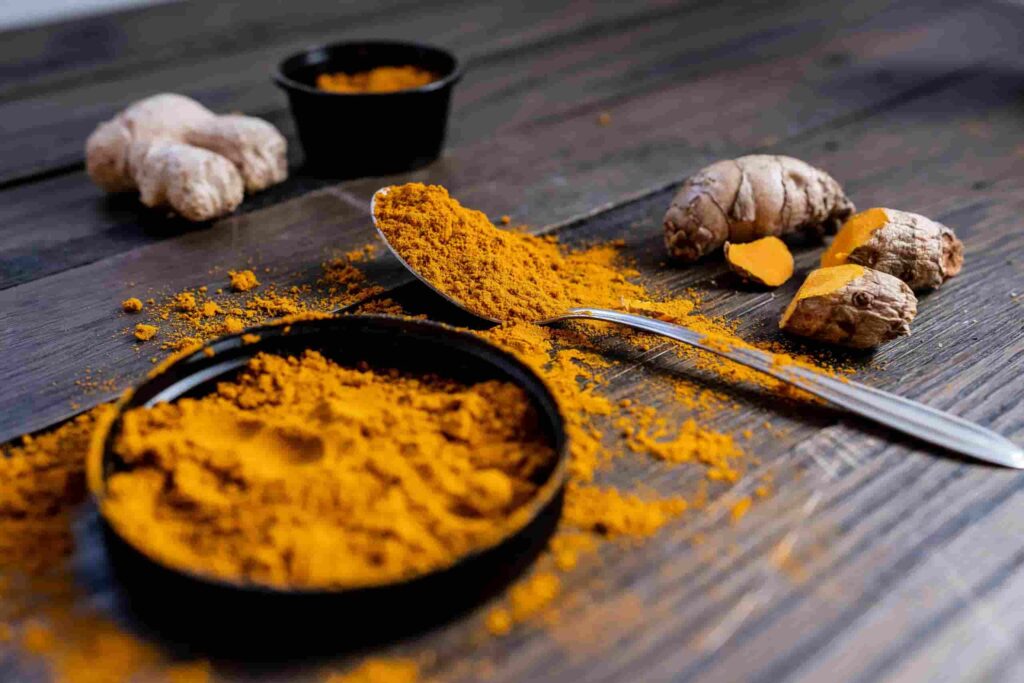
Turmeric’s active compound, curcumin, has strong anti-inflammatory and antimicrobial effects. A turmeric mask (mixed with honey or yogurt) can calm active pimples, while oral supplements support long-term skin health.
6. Witch Hazel
This natural astringent tightens pores and reduces excess oil. Used after cleansing, it leaves skin refreshed. However, overuse may cause dryness, so moderation is important.
7. Licorice Root
Licorice root extract calms inflammation and helps fade post-acne pigmentation. Serums containing licorice are excellent for those struggling with dark marks.
Lifestyle Habits That Boost Skin Health
Lifestyle choices play a major role in managing acne. Let’s expand on the most effective daily habits:
Eat Clean
Your diet directly influences your skin. Processed foods, sugary drinks, and refined carbs spike insulin levels, which can increase oil production. Instead, choose whole foods—fruits, vegetables, whole grains, lean proteins, and omega-3-rich fish like salmon. Probiotic foods such as yogurt and kefir support gut health, which is increasingly linked to clearer skin.
Stay Hydrated
Water keeps the skin barrier strong, flushes toxins, and prevents excess dryness. Dehydrated skin often overproduces oil to compensate, which can worsen acne. Aim for at least 8 glasses of water a day, and include hydrating foods like cucumbers, oranges, and watermelon.
Reduce Stress
Stress is a proven acne trigger. When you’re stressed, cortisol levels rise, causing more oil production and inflammation. Activities like meditation, yoga, journaling, and deep breathing exercises can significantly reduce stress. Even a daily walk outdoors lowers stress hormones and improves circulation to the skin.
Get Quality Sleep
During sleep, the body repairs itself—including the skin. Poor sleep increases stress hormones and inflammation, both of which worsen acne. Aim for 7–8 hours of quality sleep each night. A consistent bedtime routine and limiting screen time before bed can improve sleep quality.
Keep It Clean
Simple hygiene habits can prevent breakouts:
- Wash pillowcases at least twice a week, since they collect oil, bacteria, and sweat.
- Clean your phone screen daily, as it comes into contact with your face.
- Wash makeup brushes regularly to avoid spreading bacteria.
- Avoid touching your face unnecessarily.
Long-Term Management
Patience and Consistency
One of the hardest parts of acne treatment is waiting for results. Most treatments take 8–12 weeks before showing visible improvement. Consistency is key—switching products too often or stopping treatments early can undo progress.
Treating Post-Acne Marks and Scars
Once breakouts are under control, many people struggle with dark marks or scarring. For pigmentation, ingredients like niacinamide, vitamin C, and azelaic acid help fade discoloration. For deeper scars, professional treatments such as microneedling, chemical peels, and laser resurfacing may be needed.
When to Seek a Dermatologist
If it is severe, cystic, causing scars, or affecting your self-esteem, it’s time to see a dermatologist. Professional guidance ensures the most effective treatment plan and helps prevent permanent skin damage.
Conclusion: Clear Skin Is Possible
Adult acne is frustrating, but it’s not hopeless. With a balanced approach—combining dermatologist-approved treatments, supportive herbal remedies, and lifestyle changes—you can manage acne effectively and achieve lasting results.
Clear skin takes time, patience, and consistency, but every step you take brings you closer to healthier, more radiant skin. Remember, it does not define you, and with the right care, you can move forward with confidence and positivity.